
You may clean a room thoroughly, only to notice dust returning to certain spots within a few days. Some areas of the home simply seem to collect particles faster than others.
Understanding why this happens can help homeowners focus their attention more effectively. A few small adjustments in routine can make a noticeable difference in how clean a space feels.
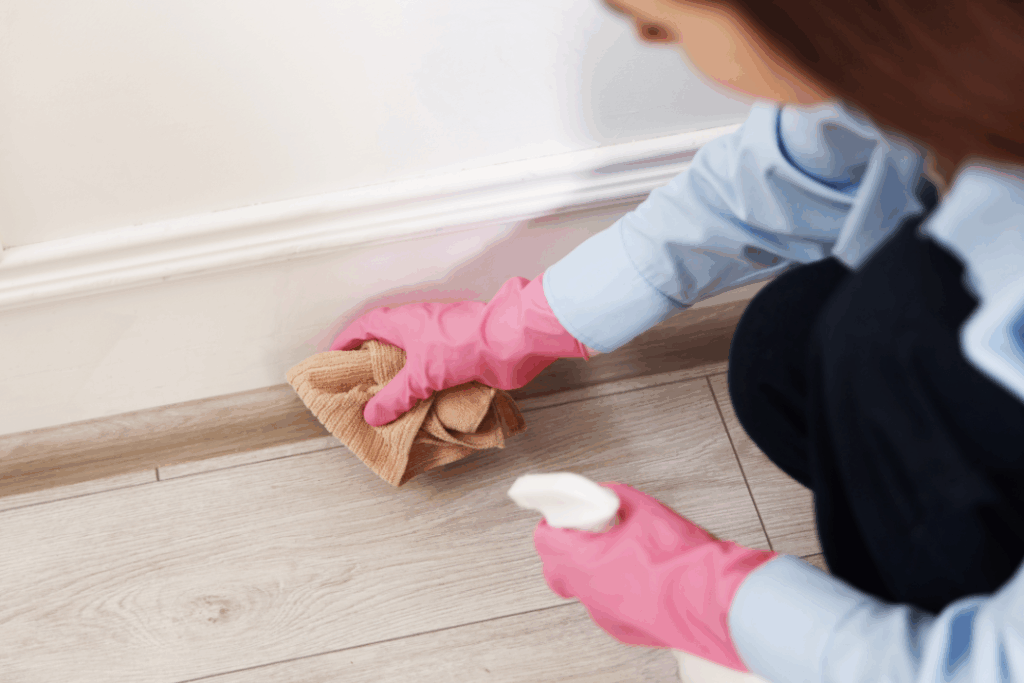
What Causes Dust to Gather in Specific Areas
Dust naturally moves through a home due to airflow and daily activity. As air circulates, particles settle on surfaces where movement slows down.
These particles include fabric fibers, pollen, pet hair, and outdoor debris brought in on shoes or clothing. Over time, these materials collect in areas that are rarely cleaned closely.
Common Sources of Household Dust
Dust forms from a mixture of indoor and outdoor materials.
• Fabric fibers from carpets, furniture, and clothing
• Outdoor particles carried inside through doors and windows
• Pet hair and skin flakes
• Pollen entering through ventilation or open windows
• Tiny particles created during cooking or everyday activity
Because these sources are constant, dust is always circulating within the home.
Why Certain Spots Collect More Dust
Some parts of the home naturally slow airflow. When air movement decreases, particles fall and settle on nearby surfaces.
Corners, edges, and areas near vents often become natural collection points for dust and debris.
Signs That Dust Is Building Up
Dust accumulation does not always appear as a visible layer right away. Instead, it often builds gradually in places people rarely inspect closely.
Over time, these small deposits begin to affect the overall feel of a room.
Areas Where Homeowners Often Notice Dust
• Baseboards and trim along floors
• Shelves and decorative surfaces
• Window sills and frames
• Ceiling fan blades
• Behind televisions or electronics
These locations tend to remain undisturbed for long periods, allowing particles to gather.
How Dust Moves Through the Home
Air vents and heating or cooling systems can move particles from room to room. When air flows through vents, it carries dust that eventually settles on nearby surfaces.
Rooms with frequent airflow changes may experience more noticeable buildup.
Practical Ways to Reduce Dust Buildup
While dust cannot be completely eliminated, it can be managed effectively with a few targeted habits. Consistent routines help remove particles before they accumulate.
Focusing on airflow and frequently touched surfaces often produces the best results.
Helpful Dust Control Habits
• Use microfiber cloths to capture fine particles
• Vacuum carpets and upholstery regularly
• Wipe high-touch surfaces weekly
• Clean vents and nearby areas periodically
• Reduce clutter where dust can settle
These steps help prevent particles from spreading throughout the home.
When a Detailed Cleaning Approach Helps
Sometimes dust accumulates in multiple areas at once, especially when surfaces have not been thoroughly cleaned for a while. In these situations, a more detailed cleaning approach can help remove buildup from overlooked areas.
Some homeowners occasionally follow detailed cleaning checklists that emphasize reaching hidden spots and neglected surfaces, similar to the routines described in deep cleaning services.
Maintenance Habits That Keep Dust Under Control
The key to managing dust is not cleaning more often, but cleaning more strategically. Rotating attention across different areas of the home helps prevent buildup from returning quickly.
Small tasks spread across the month can significantly reduce how much dust collects.
Monthly Maintenance Example
• Week 1: wipe baseboards and trim
• Week 2: dust shelves and decorative surfaces
• Week 3: clean window sills and frames
• Week 4: check vents and nearby surfaces
This rotation keeps commonly overlooked areas from accumulating heavy dust layers.
Why Regular Attention Makes a Difference
Dust that sits for long periods becomes more difficult to remove. Light, consistent maintenance prevents particles from settling deeply into surfaces.
Over time, these habits help maintain a fresher and more comfortable living environment.
Frequently Asked Questions
Why do some rooms seem dustier than others?
Airflow patterns, fabric surfaces, and nearby vents can cause certain rooms to collect dust faster.
How often should dusting be done?
Most homeowners benefit from dusting key surfaces once a week and rotating deeper tasks monthly.
Do pets increase household dust?
Yes. Pet hair and dander can add to the amount of dust circulating indoors.
Are ceiling fans common dust collectors?
Yes. Dust easily settles on fan blades when they are not used frequently.
Why do baseboards gather dust quickly?
Dust particles settle along edges where airflow slows near the floor.
Can open windows increase indoor dust?
Yes. Outdoor pollen and particles can enter through open windows.
Does clutter make dust worse?
Yes. More surfaces and objects create additional places where dust can settle.
Is dust buildup normal in most homes?
Yes. Dust is a natural part of indoor environments, but regular upkeep helps keep it manageable.
Conclusion
Dust naturally circulates through every home, but certain areas tend to collect it more quickly than others. By understanding how dust moves and maintaining simple routines, homeowners can keep buildup under control and maintain a more comfortable living space. Unistar Cleaning shares helpful home care insights like these to support homeowners looking to better understand everyday maintenance.
